What are you looking for?
 author
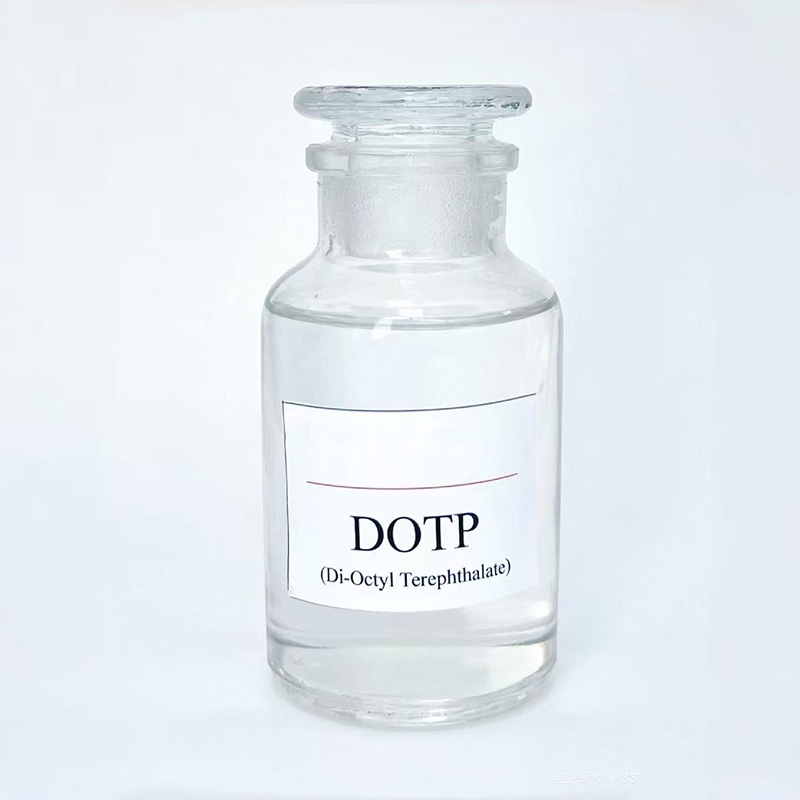
A heat-resistant PVC plasticizer should be selected based on continuous and peak service temperature, exposure duration, required product life, plasticizer dosage, processing conditions, migration/extraction requirements, and the failure mode observed in the finished PVC product. DOTP can be a practical starting point for flexible PVC applications requiring a balance of flexibility, low volatility, migration resistance, and electrical insulation performance. Whether DOTP is sufficient for elevated-temperature service should be confirmed through application-specific heat-aging and mechanical-retention testing.
Exposure to elevated temperatures does not necessarily require a specialty high-temperature plasticizer. A product may experience short-term temperature peaks during transport, installation, outdoor weathering, solar exposure, or intermittent equipment operation. The formulation should retain the required flexibility and surface properties without excessive plasticizer loss, migration, surface tack, or odor emission during service.
DOTP is often a practical starting point when the requirement is balanced flexibility, low volatility, migration resistance, thermal stability, and electrical insulation.
Some cable insulation, automotive interior, seal and flooring applications face sustained or repeated elevated temperatures. Define the actual exposure and applicable product requirements before selecting a plasticizer.
You should check the PVC plasticizer by looking at its permanence and volatility. It is also vital to test for migration, extraction resistance, and heat-aging retention. Furthermore, you must ensure surface stability remains high. Even if a compound feels soft at first, it might still fail. This often happens after long-term storage or when the material undergoes repeated bending.
| Failure Mode | Possible Cause | What to Check |
| Hardening after heat aging | Plasticizer loss, migration, or thermal aging | Mass loss, hardness change, hardness retention |
| Surface tack | Plasticizer migration or formulation incompatibility | Migration, extraction, surface analysis |
| Odor or fogging | Volatile components or additive release | VOC, fogging, volatility |
| Loss of elongation | Thermal aging or plasticizer loss | Elongation retention, tensile retention |
| Insulation deterioration | Formulation changes or thermal aging | Volume resistivity before and after aging |
One common failure mode in flexible PVC exposed to elevated temperatures is an increase in hardness after heat aging. The finished part may leave the line within target softness, then gradually stiffen as plasticizer loss, migration, extraction, or thermal aging alters the formulation.
Embrittlement is particularly problematic in cable jackets, gaskets, profiles, sheets, and flexible coverings because these products require adequate elongation, flexibility, and resistance to cracking during service. When cracking appears after heat exposure, review plasticizer permanence, stabilizer balance, filler level, and processing history together.
Plasticizer migration and extraction are key reasons why PVC products fail during extended use. When these additives shift to the surface or leak into a nearby coating, layer, or adhesive, the material often feels tacky. This movement can also make the surface look flat or cause bonding issues.
Evaluate volatility, VOC emissions and fogging in the complete formulation. Assess migration separately where the PVC contacts coatings, adhesives or other materials.
A heat-resistant PVC plasticizer must remain effective during processing and service. Low volatility can reduce plasticizer-related mass loss during processing and heat aging, while high permanence helps limit plasticizer migration and extraction. Odor and fogging should be evaluated separately based on the complete formulation.
Electrical insulation performance is a critical requirement for PVC wire and cable compounds, while surface stability is more important for applications such as flooring, artificial leather, and automotive interiors. For sheets, seals, and adhesive-contacting parts, compatibility, migration resistance, and surface behavior should be evaluated according to the specific application conditions.
Material evaluation should be defined based on the component type and end use, rather than applying a universal test package to all flexible PVC applications. Key mechanical requirements may include Shore hardness, tensile strength, and elongation, while additional evaluations such as heat-aging retention, migration, extraction resistance, tackiness, odor, fogging, and electrical properties should be selected according to the functional requirements of each component.
The final acceptance criteria should be established based on the applicable product standard, customer specification, and actual service environment. A typical evaluation plan should link each component requirement with the relevant standard, customer limits, and test method/conditions to ensure that testing is both technically relevant and cost-effective.
DOTP is a candidate for balanced flexible PVC formulations. Confirm processability, mechanical properties, extraction behavior and any electrical requirements under the intended conditions.
For applications with moderate elevated-temperature exposure, DOTP gives the formulation team a stable reference point. If the finished product passes heat aging, migration, odor, surface, and mechanical checks, switching to a higher-permanence plasticizer may not be necessary.
DOTP should not be treated as the answer for every high-temperature PVC product. Longer heat exposure, stricter migration or fogging requirements, and extended service life may justify evaluating DPHP or TOTM alongside DOTP.
If a DOTP-plasticized PVC compound fails aging or surface requirements, investigate plasticizer loss, compatibility, stabilization and processing first. Evaluate DPHP, TOTM or a suitable blend where the failure mechanism supports a change.
DPHP is relevant for flexible PVC applications requiring a combination of heat resistance, weatherability, low volatility, migration resistance, and long-term durability. Yuanyide DPHP is positioned for wires and cables, automotive interior leather, sofa leather, hoses, and coatings.
TOTM should be evaluated when the formulation requires high permanence, low volatility, low migration, and strong heat-aging performance. Yuanyide describes TOTM as a heat-resistant primary plasticizer for PVC and related resin systems.
It is used for heat-resistant cables, sheets, plates, seals, gaskets, and automotive interiors. The high flash point is a useful handling and material-property parameter, but it should not be interpreted as the service temperature of a plasticized PVC compound. Actual heat resistance should be verified through heat-aging and finished-product testing.
| Parameter | TOTM Specification / Value |
| CAS No. | 3319-31-1 |
| Molecular Formula | C₃₃H₅₄O₆ |
| Ester Content | ≥ 99.5% |
| Acid Value | ≤ 0.1 mg KOH/g |
| Density | 0.984–0.991 g/cm³ |
| Water Content | 0.1% |
| Open-Cup Flash Point | 241 °C |
| Volume Resistivity | 3×10¹¹ Ω·cm |
| PVC Application | Primary Performance Requirement | Plasticizer Candidates |
| General flexible PVC | Flexibility, low volatility, migration resistance | DOTP |
| Wire & cable | Heat aging, electrical insulation, flexibility | DOTP / DPHP / TOTM |
| Higher-temperature cable | Heat aging, low volatility, permanence | TOTM |
| Outdoor PVC | Weatherability, durability, migration resistance | DPHP / DOTP |
| Automotive interior PVC | Heat aging, odor/fogging, migration | DPHP / TOTM |
| PVC flooring | Flexibility, surface stability, migration resistance | DOTP / TOTM |
| Seals & gaskets | Heat aging, compression set, flexibility retention, and permanence | TOTM / DPHP |
| Sheets & plates | Heat resistance, surface stability, durability | TOTM / DPHP |
This matrix is a starting point. Resin, plasticizer dosage, stabilizer, filler, lubricant, temperature, cooling, and adjacent materials can all change the result.
First compare candidates at a fixed phr in a controlled reference formulation. Then, where required, adjust and document dosage and processing to meet the same target hardness and end-use requirements, and revalidate performance.
Then compare DOTP, DPHP, and TOTM against the current formula. If several variables change at once, the team cannot know what caused the improvement.
Finished-article validation should reproduce the relevant service conditions, including temperature, exposure duration, mechanical loading, and contact materials where applicable. Testing can include hardness, tensile strength, elongation, heat aging, weight change, migration, tackiness, odor, bending, and cable electrical properties. Agree test methods and acceptance limits before testing, record the sample grade and batch, and distinguish laboratory screening from final article approval.
For hot PVC, initial results are not enough. Check samples after heat aging, storage, material contact, and repeated flexing.
Yuanyide supplies DOTP, DPHP, TOTM, DOA, DOS, and other plasticizer products for PVC applications. Review the Yuanyide product range when narrowing down a heat-resistant PVC plasticizer route for cables, films, flooring, artificial leather, sheets, and seals.
A practical review should also connect the product route with the final use. The PVC application solutions help frame whether the dominant need is heat-aging resistance, weatherability, permanence, electrical performance, or processing efficiency.
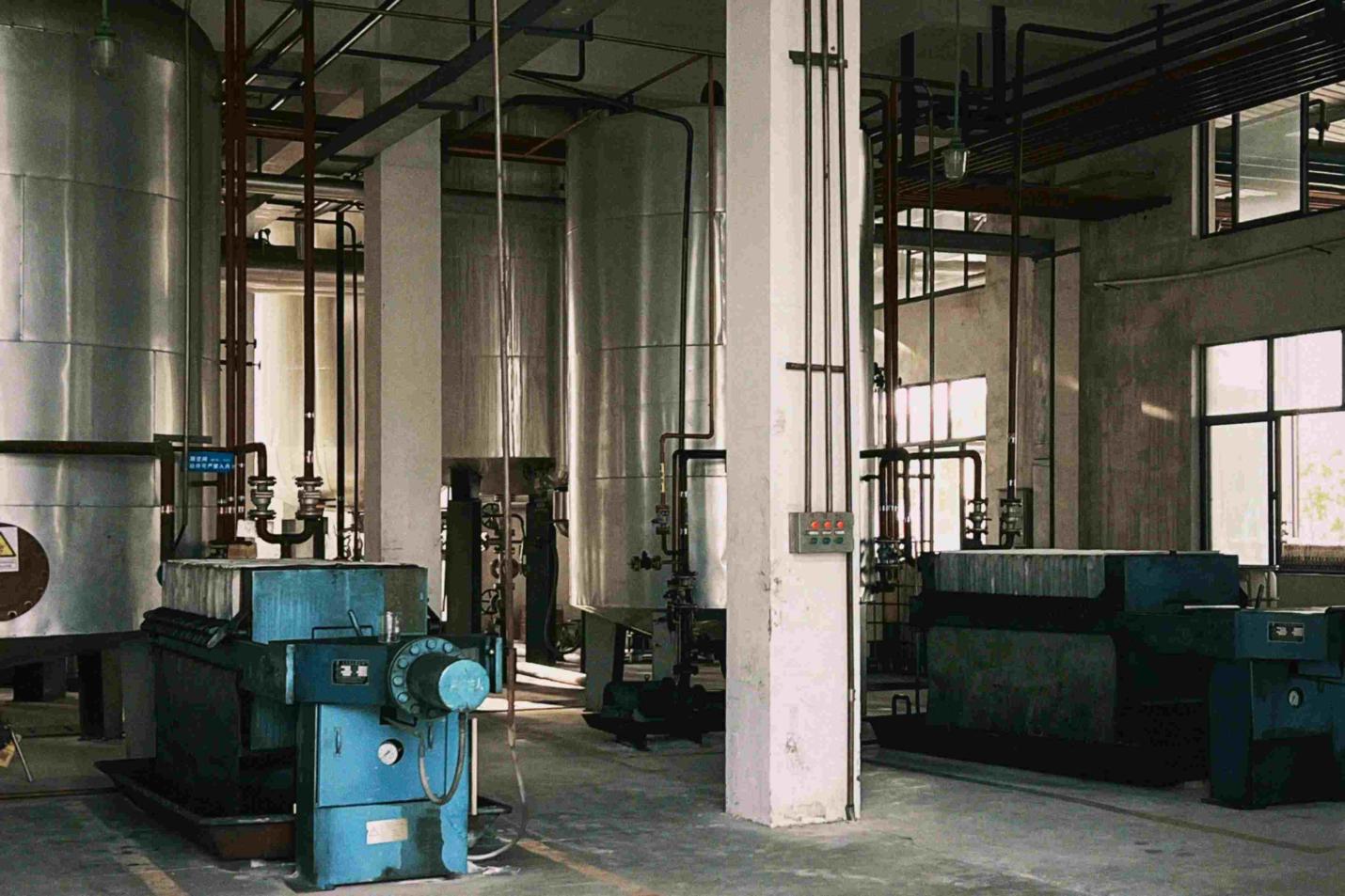
Yuanyide operates six plasticizer production lines with an annual comprehensive production capacity of 50,000 tons and maintains an R&D team supporting plasticizer applications. For hot PVC projects, formulation teams can align sample evaluation with product data, safety documents, storage guidance, and end-use needs through Yuanyide technical service. Final selection should be confirmed in the intended formulation and finished article.
No single plasticizer stands out as the perfect option for high-temperature PVC in every situation. Instead, picking the right one involves looking at several key factors. These include the actual working temperature and how long the material stays hot. You also need to consider how well it stays in place, its limits on migration or extraction, and how it keeps its physical strength over time. Finally, the specific needs of the final product will guide your decision.
Yuanyide supplies DOTP, DPHP, and TOTM for flexible PVC applications and can provide product documentation and samples for comparative formulation evaluation. Final plasticizer selection should be confirmed using the target PVC formulation and finished-article requirements.
A: Evaluate TOTM when the defined service conditions require greater permanence or lower volatility, or when a DOTP-based compound fails relevant tests and the failure analysis supports a plasticizer change. Confirm performance, processing and cost in the intended formulation.
A: DPHP and TOTM solve different problems. DPHP is often evaluated for heat-aging resistance, weatherability, migration resistance, and long-term durability. TOTM is generally a more suitable candidate when low migration, low volatility, and long-term permanence are the primary requirements. The final choice should be tested in the complete formulation and finished product.
A: Useful tests include Shore hardness, tensile strength, elongation, heat aging, migration or extraction behavior, weight change, surface tackiness, odor emission assessment, bending performance, and electrical properties for cable compounds. Use the same formula and processing conditions so the comparison is meaningful.

The company adheres to the core concept of "customer-oriented, quality-oriented, excellence-oriented, and innovation-oriented", provides the market with cost-effective high-quality products with full passion, and promises first-class corporate services with honest faith. Continuously innovate and strive to become a permanent partner of customers.