 author
 As global regulations tighten and downstream applications become more safety-sensitive, many PVC manufacturers are asking the same question: Is traditional DOP still enough, or is DOTP the smarter long-term choice? The answer depends on your application, compliance requirements, and performance expectations.
As a professional plasticizer supplier, Yuanyide works with PVC manufacturers worldwide to evaluate both DOP and DOTP based on regulatory, performance, and cost requirements. In this guide, we break down the real differences between DOP and DOTP, explain where each plasticizer performs best, and help you make a practical, cost-effective decision—whether you are producing cables, flooring, synthetic leather, or automotive interior materials.
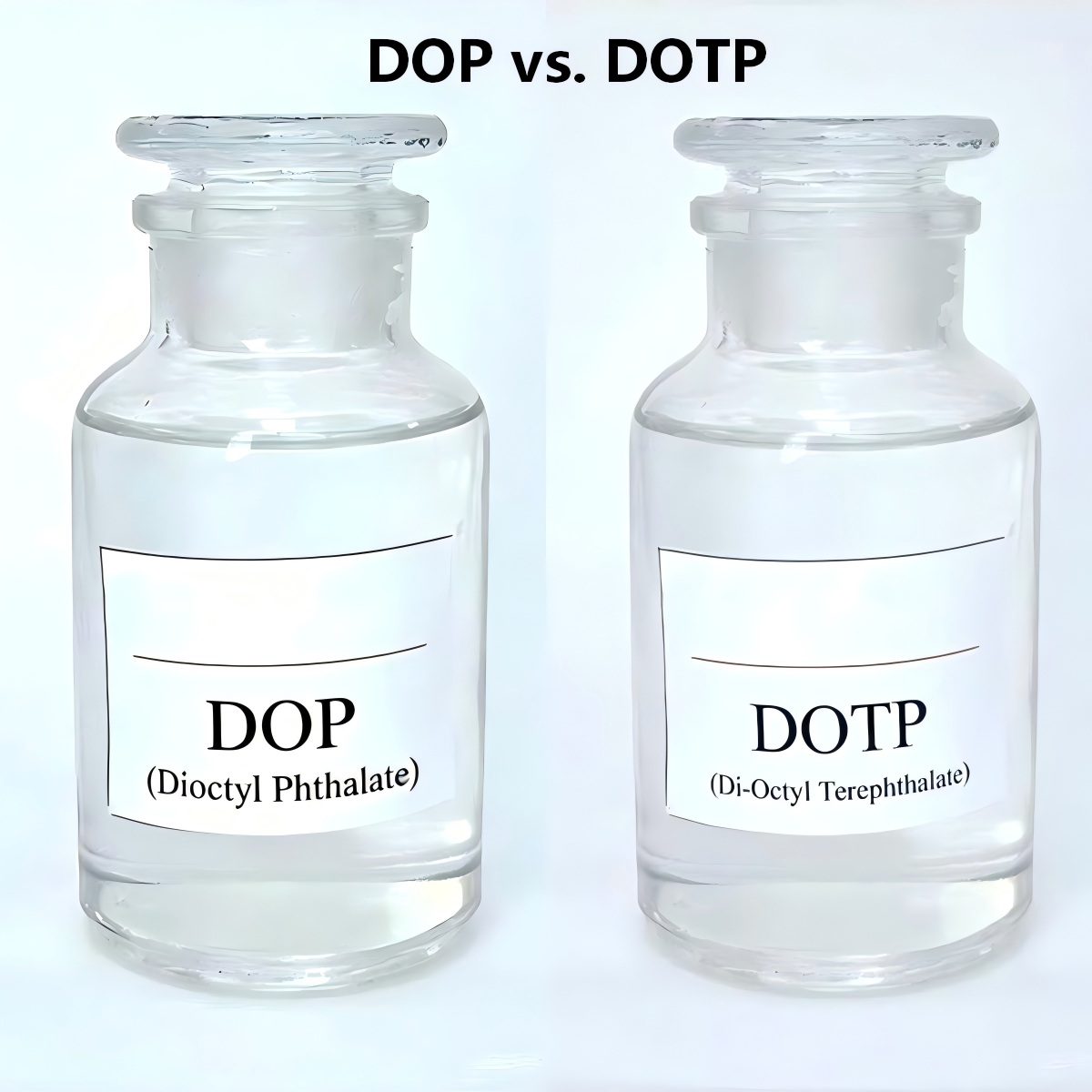
Both plasticizers matter in diverse PVC handling areas. Yet they fit different situations based on tech needs and rules.
DOP delivers strong pliability at a modest price. For this reason, it suits many basic uses. But its mechanical steadiness over time may drop in tough settings. DOP finds wide use in handling PVC and soft plastic goods. Examples include films, fake leather, wires, and cables.
When set against the usual DOP, DOTP brings gains like heat tolerance, cold tolerance, low air loss, pull-out resistance, fine pliability, and better insulation for electricity. Yuanyide’s DOTP guarantees lasting mechanical stability. It is well suited for tasks like car interiors and bendable cable covers.
When faced with heat or UV rays, DOP often shifts or evaporates as time passes. This harms the look and role of the product in ongoing use. For manufacturers supplying long-life products such as cables or automotive interiors, DOTP significantly reduces the risk of premature failure, customer complaints, and compliance issues caused by heat aging or UV exposure. At Yuanyide, our mixes for both DOP and DOTP aim for steady aging defense. This meets what buyers want for toughness.
In the last few years, DOP has faced scrutiny because it is a phthalate compound. Its role faces limits or bans in many buyer goods areas. DOP blends well with items like polyvinyl chloride, but phthalates face growing regulatory pressure from possible health risks.
At the same time, DOTP, since it avoids phthalates, fits worldwide eco rules like REACH and RoHS. DOTP matches top eco standards. This makes it right for touchy tasks such as kids’ toys or food-touch items.
For tasks where saving money comes first—such as floors or tubes—DOP stays a solid pick. Yuanyide’s factory-level DOP weighs price against work traits. It works best for non-vital spots where rule limits stay low.
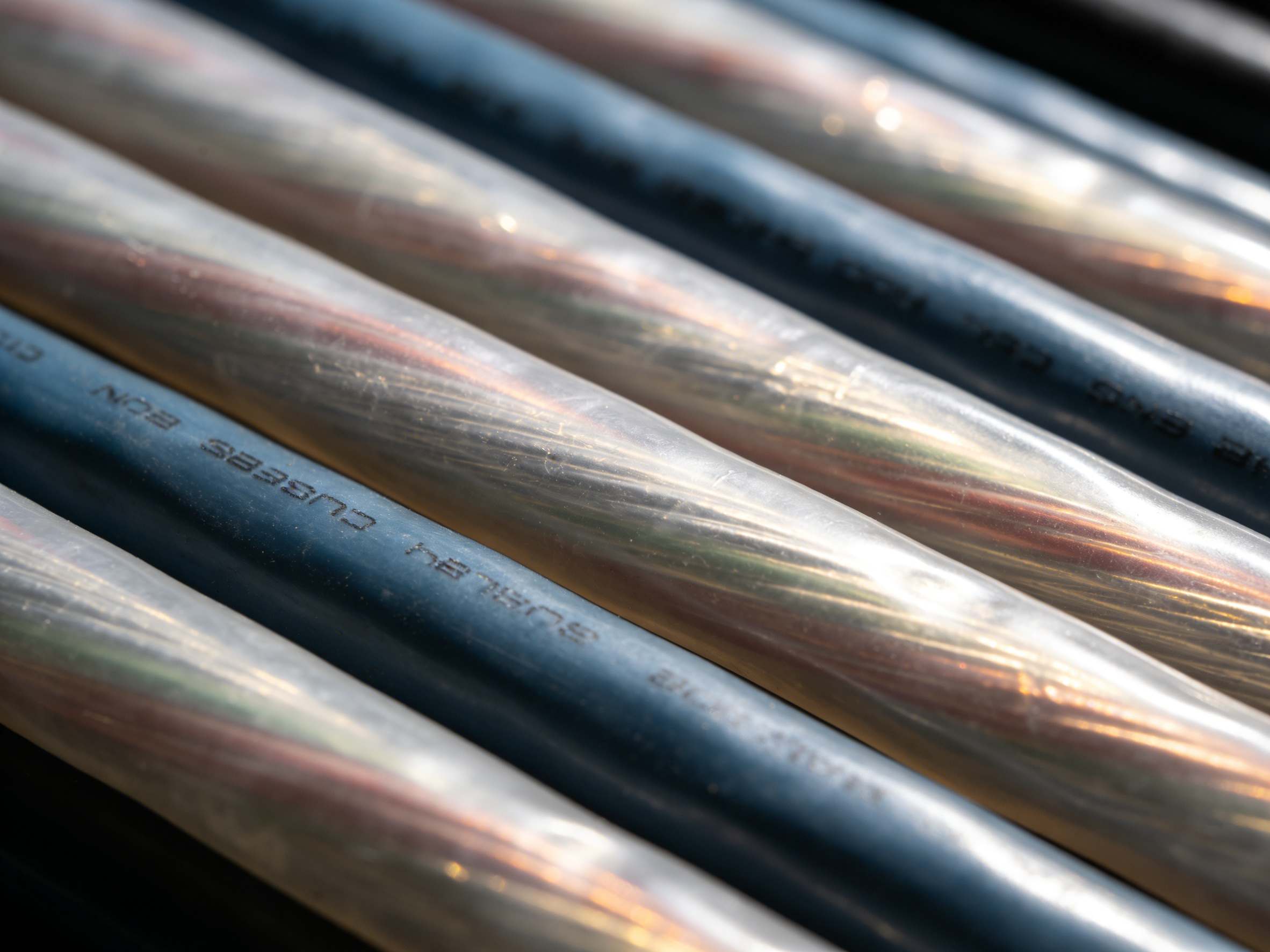
PVC goods hit by changing temperatures or physical strain—like cables or car interiors—gain from DOTP’s top resilience. Yuanyide’s built DOTP backs long-life needs in cables and car interiors. It does this by giving steady insulation for electricity and heat defense.
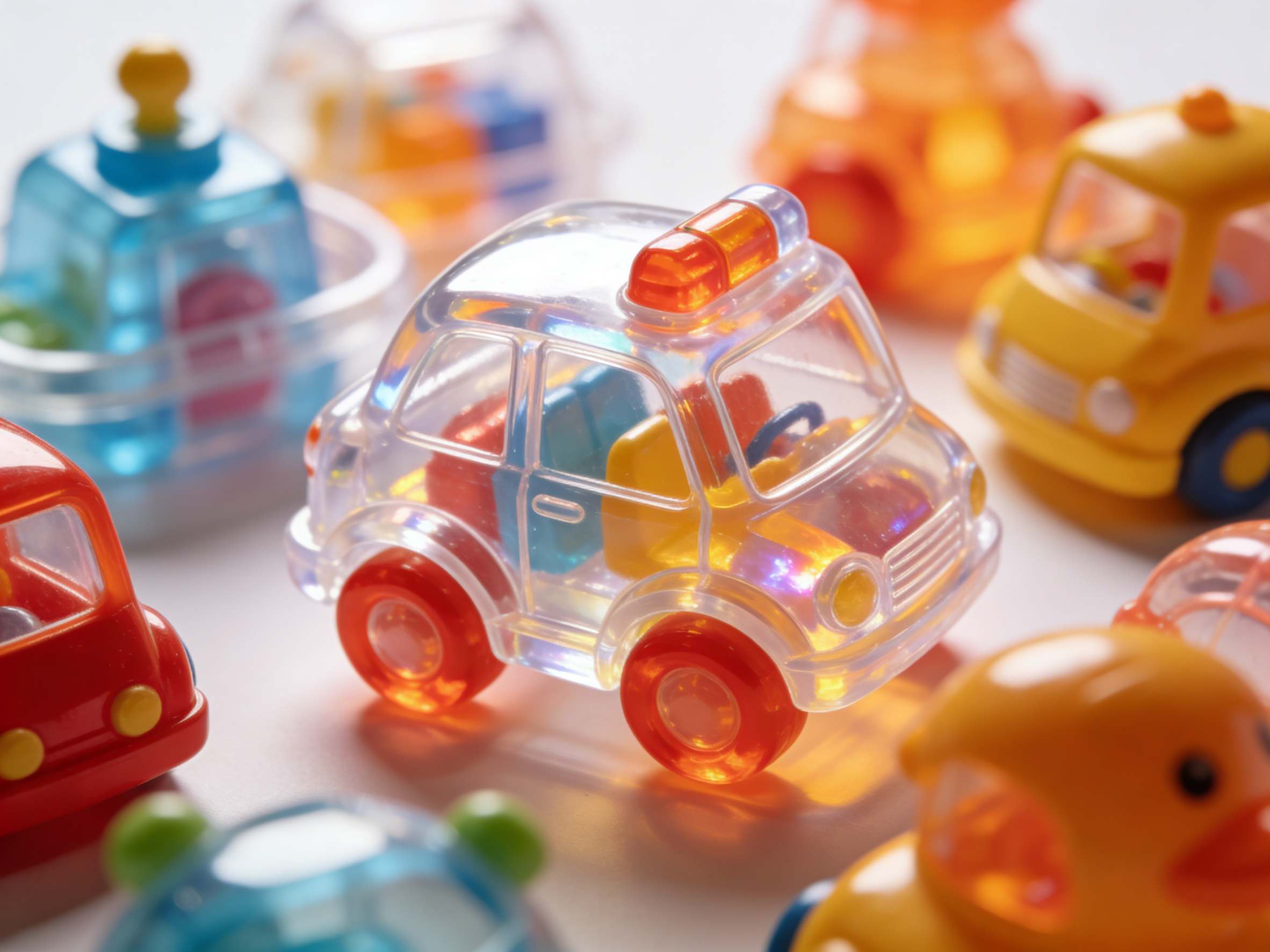
When safety tops the list—such as in food wraps or kids’ items—DOTP is the advised option. Yuanyide’s pure DOTP secures safety in touch-based goods like food films and toys. Its low shift rate aids in keeping safety marks over long storage times.
Though DOP gives quick money savings from its lower tag, the full ownership cost may climb. This happens from shorter use life or rule mismatches. In opposition, DOTP, even if more expensive at start, stretches product life and cuts fix or swap costs. With years of making know-how, we keep aiding buyers around the world with reliable plasticizer solutions.
At Yuanyide, we keep firm worldwide supply lines for both DOP and DOTP. This relies on steady output from our 50,000-ton yearly capacity plant. With an annual capacity of over 50,000 tons, Yuanyide ensures stable supply for long-term contracts, reducing the risk of production interruption caused by raw material shortages.
We supply a full custom plasticizer aid. This covers your needs in research, making, advice, tech help, and buying. Our team works closely with buyers to fine-tune mixes for set performance goals. We use either DOP or DOTP for this.
All goods pass strict quality checks. These use the top gear brought from Germany to maintain stability from batch to batch. We have added cutting-edge test tools and set up a full group of tough product quality control setups.
Our DOTP fits REACH and RoHS standards. Certs like DOTP ROHS and DOTP SVHC sit ready for buyer rule needs. We back third-party checks by SGS, BV, and Intertek. All the stuff comes with complete rule papers to back checks.
Picking between DOP and DOTP for your PVC making wants means weighing technical performance against rule fit and money factors. While DOP keeps working well in money-tight factory roles, DOTP has risen as the better pick for eco-aware tasks that need high toughness.
If you are evaluating DOP or DOTP for a new PVC formulation—or planning a compliant transition from phthalates—Yuanyide’s technical team is ready to support you with material selection, formulation optimization, and full regulatory documentation. Contact us today to get tailored plasticizer solutions for your PVC applications.
A: DOP is a traditional phthalate-based plasticizer known for its low cost, while DOTP is a non-phthalate alternative offering better environmental compliance and performance stability.
A: Yes, DOTP is considered safer due to its non-phthalate structure and meets global safety standards like REACH and RoHS.
A: In many cases, yes, but slight adjustments may be needed depending on the application; Yuanyide provides technical support to optimize such transitions.
A: DOTP performs better due to its lower volatility and higher resistance to degradation under thermal or UV stress.

The company adheres to the core concept of "customer-oriented, quality-oriented, excellence-oriented, and innovation-oriented", provides the market with cost-effective high-quality products with full passion, and promises first-class corporate services with honest faith. Continuously innovate and strive to become a permanent partner of customers.