 author
 A vehicle’s interior serves as more than a simple cabin. It acts as a haven for comfort and a clear sign of solid engineering. The gentle feel of the dashboard or the sturdy surface of leather seats contribute much to the upscale sensation in today’s cars. This premium quality relies greatly on the strength of its man-made materials. At Yuanyide, as an established producer, we know well that picking the right plasticizer can determine if PVC artificial leather lasts or fails.
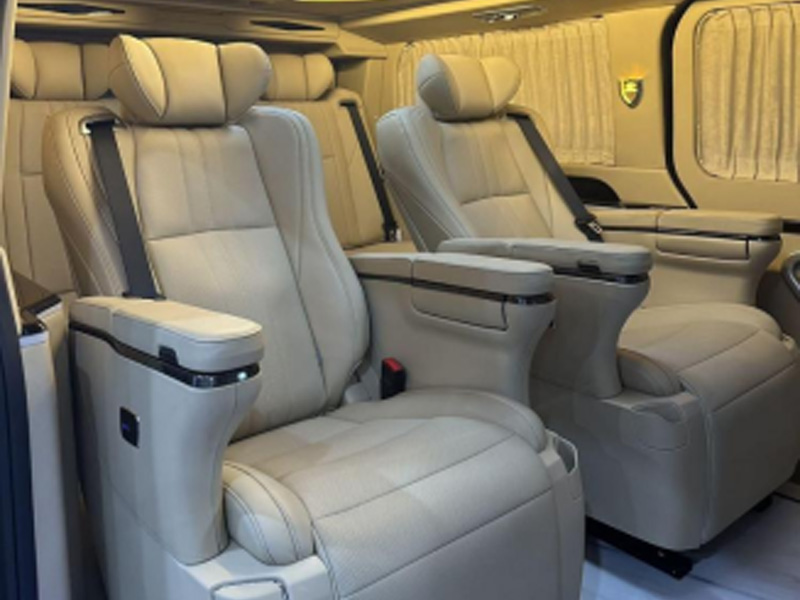
Car interiors create some of the toughest settings for PVC artificial leather. In summer, the inside heat can climb high. This makes ordinary materials stiffen and turn fragile as plasticizers shift or evaporate. On the other hand, during winter, the material needs to stay soft to avoid breaks from physical pressure. From our work at Yuanyide, we see that items in dashboards, door panels, and seat covers must show outstanding heat endurance to hold their shape.
Strict rules guide the car sector on Volatile Organic Compounds (VOCs) and “fogging.” Fogging happens when vapors from inside materials rise and settle on the glass, blocking the driver’s view. Also, worldwide rules like ROHS and SVHC push makers to avoid banned items and switch to safer, greener options. At Yuanyide, we place compliance first. Thus, our DOTP and other items fully meet these tough safety needs.
In the past, DOP (Dioctyl Phthalate) served as the main plasticizer for various PVC uses. Its low cost and good softening power made it popular. However, in the critical car field, DOP has clear weaknesses. Its strong tendency to evaporate means the plasticizer can leave the PVC structure gradually. As a result, the car seat leather hardens and cracks in the end. Even worse, this evaporation directly causes the fogging that current car makers work hard to stop.
Physical limits aside, DOP now faces growing checks from regulators around the world. Many top car brands ban or tightly control certain phthalates in their suppliers to follow health and environmental rules. As a company that looks ahead, Yuanyide spotted this change early. That led us to direct our research and development toward better choices like DOTP (Dioctyl Terephthalate) and HHOS. These provide stronger eco benefits and practical results for premium areas.
We design our DOTP Plasticizer to handle a broad temperature span. It differs from basic plasticizers because Yuanyide DOTP keeps PVC artificial leather bendable even in very cold conditions. This matters a lot for stopping “cold cracks” in seat covers and headrests over winter. For cases needing extra cold protection, we supply DOA (Dioctyl Adipate) and DOS (Dioctyl Sebacate). These suits use that demand top flexibility in low heat.
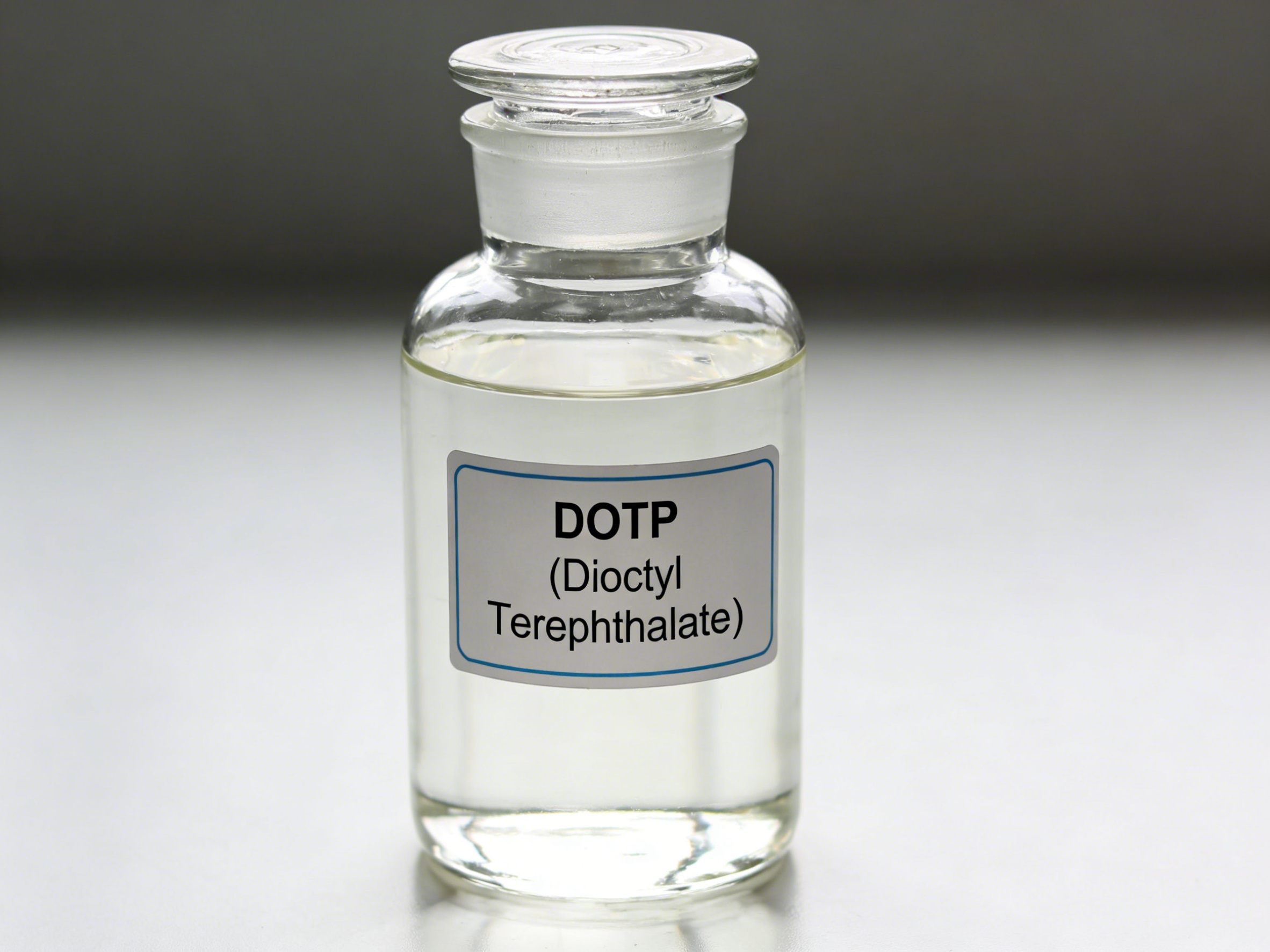
The makeup of DOTP gives it better defense against heat wear than DOP. When added to car PVC leather, our DOTP stays put in the material for a much longer period. Therefore, the leather keeps its softness and bends over the car’s full life. This holds against shifting and pulling out, helping the inside keep its fresh appearance and touch, even after long contact with sunlight and warmth. In our plant, we check every batch of DOTP to match these firm, lasting standards.
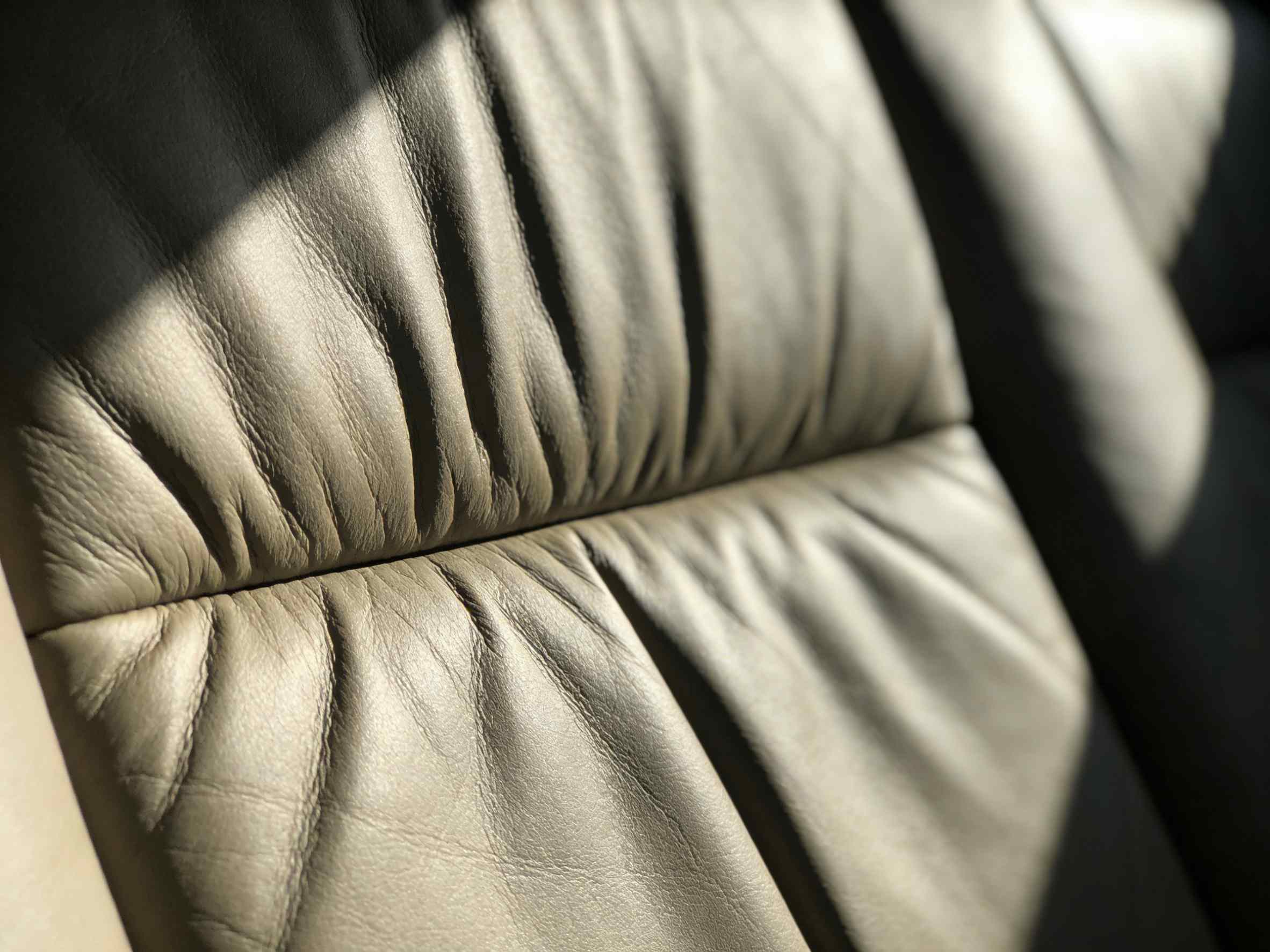
In the high-end car market, the touch or feel of the leather ranks as a key feature for buyers. Yuanyide DOTP works as a core plasticizer that blends well with PVC resins. It creates an even, soft surface that copies real leather closely. If makers seek a stronger heat hold, we suggest our TOTM (Trioctyl Trimellitate). This finds use in hot industrial spots and top cable goods.
Car leather faces ongoing rubbing from people getting in and out. Our DOTP makes the PVC layer hard yet able to bend, so it stands up to scrapes and surface damage. By teaming up with Yuanyide, you tap into our skills in mix adjustments. This helps your fake leather goods—for outfits, bags, or cars—hit the right mix of looks and strength.
Yuanyide started in 1995. For 30 years, we have worked on plasticizer chemical goods. Our site has six modern lines. They produce 50,000 tons each year. We use top testing tools from Germany to run a strict quality system. This way, every bit of DOTP, DPHP, or DOS we send out reaches peak purity.
We grasp that car production demands a steady and open supply chain. Yuanyide gives a full plasticizer package. It covers research, making, tech advice, and buying. We run back checks by trusted groups like SGS, BV, and Intertek. This gives customers full confidence. Our spot near big roads in Hangzhou and Anhui allows round-the-clock loading and smooth worldwide delivery.
The car industry now aims for better lasting power, safety, and eco-friendliness. So, the stuff in the car’s interior must advance. DOTP Plasticizer is the better pick for PVC artificial leather. It brings low evaporation and lasting bend that old DOP can’t equal.
If you make dashboards or fine seat leather, our line—including DOTP, DOS, and HHOS—aims to give you an edge in a tough market. We welcome you to join us as we keep creating for a greener and stronger tomorrow.
Ready to upgrade your material performance? Explore Yuanyide’s full range of plasticizer applications and success stories here.
A: Yes, DOTP counts as a safe and green swap for old phthalates. It follows REACH and ROHS rules. With low evaporation and low harm, it aids car makers in hitting firm VOC limits for the inside air.
A: DOP works well as a basic softener. But DOTP gives much stronger hold against heat, wear, and less evaporation. So, PVC leather with DOTP stays less stiff as time passes. It also cuts the windshield fog much more than DOP.
A: Yes, it can. Since DOTP fights off shifting and weather effects well, it remains in the PVC structure far longer than usual softeners. Thus, the leather stays bendable and fights cracks even after years of service and heat swings.
A: Yes, we do. Our full custom service includes focused research to fit your exact needs. If you need better cold bend with DOA or top heat steadiness via TOTM, our over 10 research staff stand ready with tech help and custom mixes.
A: Items like our DOTP, DOA, and DPHP have cleared hard checks. They carry ROHS, SVHC, and PAHS approvals. We also aid extra reviews by firms such as SGS and Intertek. This confirms our goods hit the top world marks.

The company adheres to the core concept of "customer-oriented, quality-oriented, excellence-oriented, and innovation-oriented", provides the market with cost-effective high-quality products with full passion, and promises first-class corporate services with honest faith. Continuously innovate and strive to become a permanent partner of customers.