Что Вы ищете?
 Лев
Flexible PVC products may meet initial quality requirements but develop surface defects or changes in mechanical properties during storage or service. These changes may be associated with plasticizer migration, exudation, volatilization, extraction, or other aging mechanisms.
For PVC manufacturers, early identification of plasticizer migration risks can help prevent field failures, product returns, and customer complaints. A well-designed plasticizer system needs to do more than just provide the required initial flexibility. It must also maintain flexibility, mechanical performance, and dimensional and surface stability throughout the intended service life.
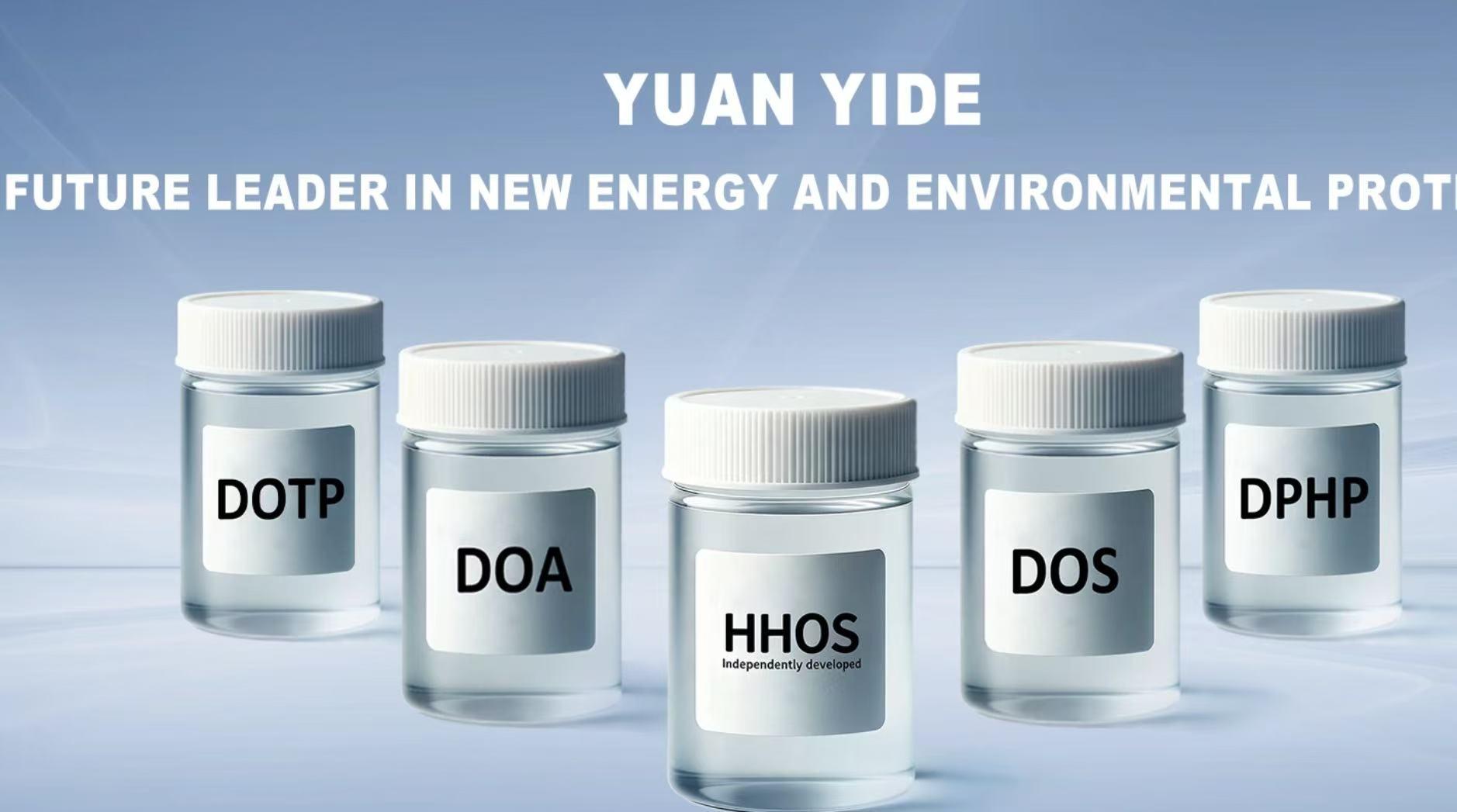
Yuanyide focuses on providing high-quality PVC plasticizer options. Our range includes DOTP, HHOA, DOA, DOS, and other key additives. With over 30 years in the chemical business, we offer reliable supply, expert advice, and recipe support to help you optimize plasticizer selection and formulation performance.
Some PVC failures are preceded by surface or mechanical changes, but visual inspection alone cannot confirm or rule out plasticizer loss.
Surface tackiness is a common failure mode in flexible PVC products. Typical symptoms include:
Surface tackiness can occur when plasticizer or other mobile formulation components exude toward the PVC surface, particularly when plasticizer–PVC compatibility or permanence is insufficient.
Plasticizer exudation occurs when plasticizer or other mobile formulation components diffuse toward and accumulate at the PVC surface. Surface exudation can affect:
If a product needs to last a long time, formulators should evaluate migration, exudation, volatility, and plasticizer permanence according to the intended application.
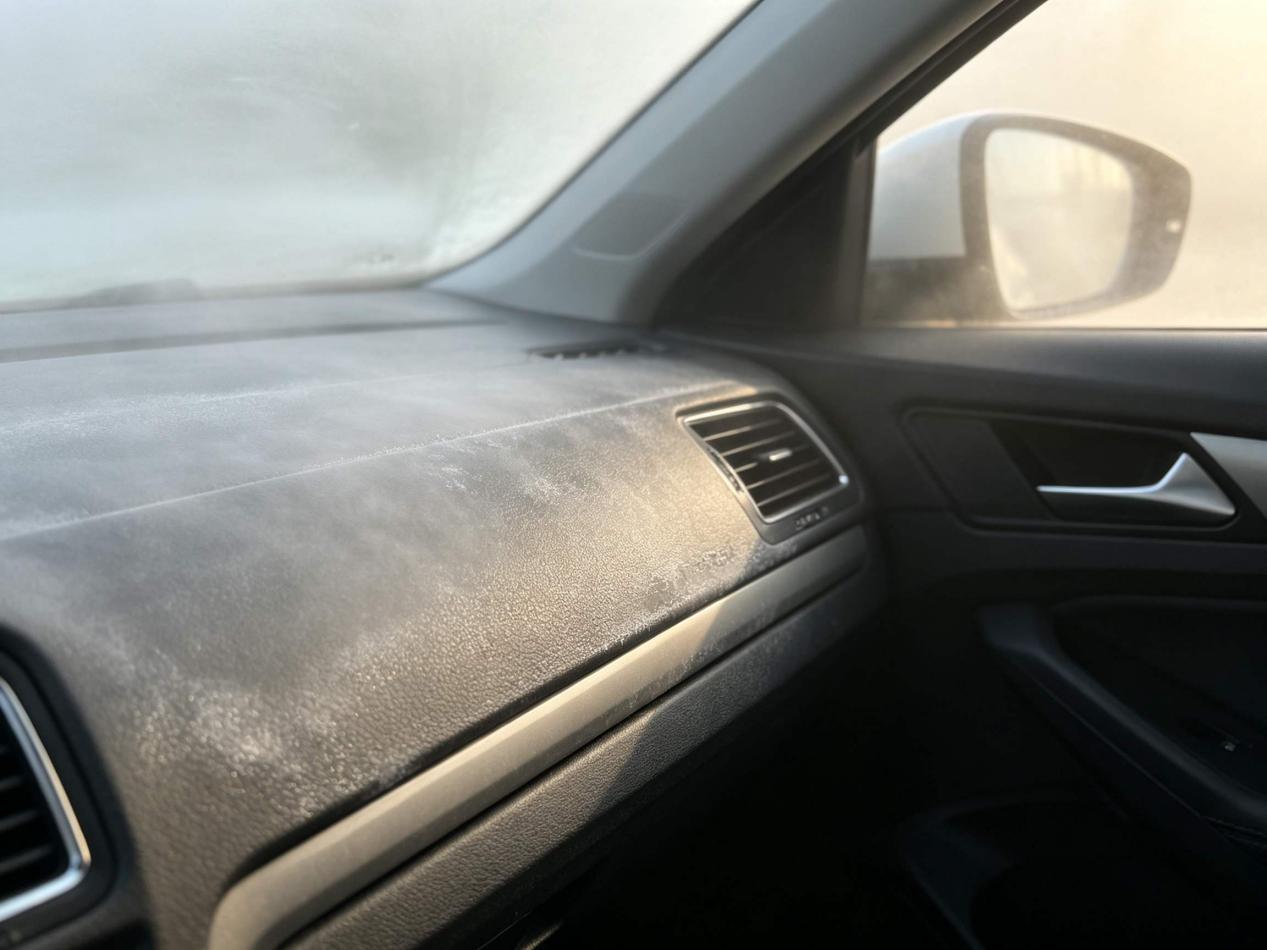
Fogging is an important consideration for automotive interior materials, particularly where volatile or semi-volatile components can condense on cooler surfaces. Fogging can occur when volatile or semi-volatile components are released from PVC materials and subsequently condense on cooler surfaces. The condensed material can reduce optical clarity and leave deposits on glass or other cooler surfaces.
When PVC loses its plasticizer, it turns stiff and brittle. Common signs of this include:
Not every surface flaw comes from migration. A root-cause analysis should consider formulation, processing, and service conditions before attributing the failure to plasticizer migration.
Makers should take a close look at:
Every use case has different needs. For example, a flexible cable compound may require thermal stability, electrical insulation, flame performance, and long-term flexibility.
The way you make the product matters. Key factors include:
If the mix is uneven or the heat is wrong, the surface might look bad. These flaws can easily be mistaken for migration issues.
Think about where the product actually ends up:
Plasticizer–PVC compatibility is one of the key factors governing plasticizer permanence and migration behavior. The plasticizer should exhibit sufficient compatibility and permanence within the PVC matrix for the intended application.
The amount of additive must be just right for the system. Plasticizer loading can influence flexibility, hardness, plasticization efficiency, mechanical properties, and plasticizer permanence. Excessive loading may increase the risk of exudation or migration in some formulations, while insufficient loading may result in inadequate flexibility and higher hardness.
Increasing temperature generally accelerates molecular diffusion and can increase plasticizer migration or volatilization, depending on the formulation and service environment.
To fix a PVC recipe, you must first decide what goals are most important for your product.
Reducing plasticizer migration and surface exudation can help minimize:
Low volatility can help reduce plasticizer loss and maintain formulation performance during long-term service. This is vital for:
A smart plasticizer choice ensures the item keeps its:
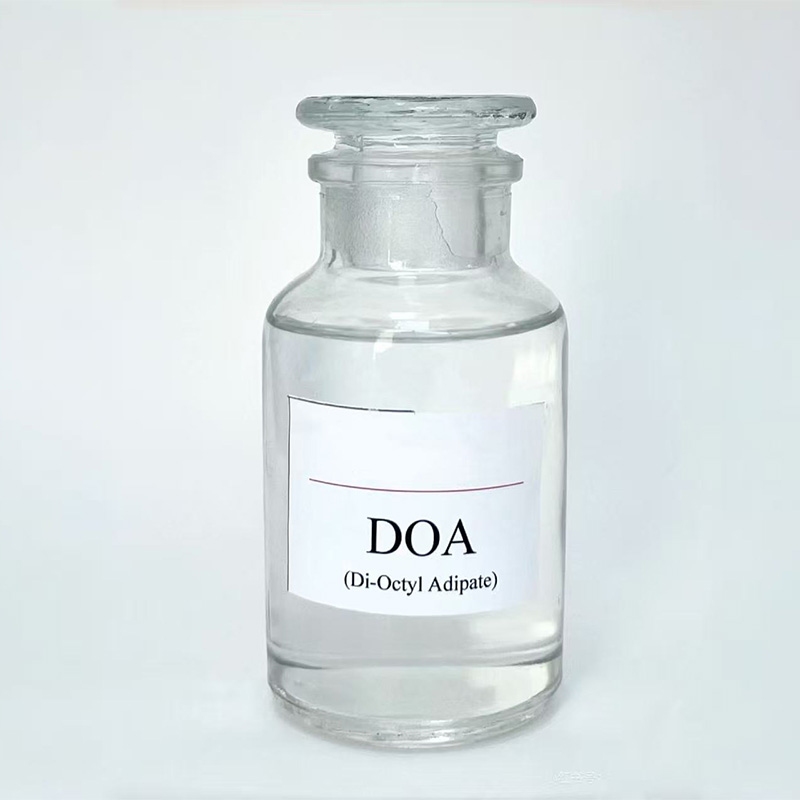
МОЛИТВА and DOS are commonly considered when improved low-temperature flexibility is required. DOA is commonly used when good low-temperature flexibility is required and can be considered for selected outdoor, film, and automotive applications depending on the complete formulation. It is often used for outdoor gear and car interiors. DOS provides good low-temperature flexibility and can be considered for PVC formulations requiring improved cold-weather performance.
Do not switch your plasticizer just because of the price. You must look at the whole package, including:
At Yuanyide, we offer a full range of support. We help with research, production, and picking the right materials. Our list of products includes DOA, DOS, ДОТП, TOTM, and DPHP. These serve industries ranging from medical tools and food wrap to heavy cables and flooring.
Before you change your recipe for a big run, you should perform these checks:
A smart quality plan should look like this:
Identify abnormal surface or mechanical changes → Screen for plasticizer migration/exudation/volatilization → Investigate formulation and processing conditions → Optimize plasticizer type and loading → Conduct migration, exudation, volatility, aging, and mechanical-property testing → Validate against application requirements → Approve for mass production.
Юаньиде operates a manufacturing facility covering 21,845 square meters. The facility has six plasticizer production lines and an annual comprehensive production capacity of 50,000 tons. We use strict quality checks and back our products with decades of factory experience.
We also offer samples. This lets you test our additives in your own lab before you commit to a large order.
Picking the right additive is about more than just making something soft. It is about making sure that softness stays there for the life of the product.
Talk to Yuanyide today for samples and help with your PVC formulas.
A: It depends on what you are making. You should look at DOTP, DPHP, or TOTM. Each one has its own way of staying put, resisting heat, or lasting a long time.
A: Yes. We provide samples so you can check the quality and see how our products work with your recipe before you buy.
A: Plasticizer migration generally refers to the movement of plasticizer from PVC into contacting materials or other phases, while exudation refers to plasticizer or other mobile formulation components accumulating at the PVC surface. The two phenomena are related but should be evaluated using different test approaches

Компания придерживается основной концепции «ориентация на клиента, ориентация на качество, ориентация на совершенство и ориентация на инновации», с полной отдачей предоставляет рынку экономически эффективные высококачественные продукты и гарантирует первоклассное корпоративное обслуживание, основанное на честности и порядочности. Мы постоянно внедряем инновации и стремимся стать надежным партнером для наших клиентов.